Certified Locksmith: Knowing When to Contact the Professionals for Your Security Requirements
A professional lock technician plays an essential role in preserving protection. Numerous homeowners overlook the telltale signs that signal a need for skilled intervention. Concerns like a malfunctioning security lock or the result of a burglary can compromise safety. Understanding when to seek help is essential. As potential dangers advance, so do the remedies. What factors should be evaluated before picking up the phone?
Spotting the Signals: When It's Time to Contact a Locksmith
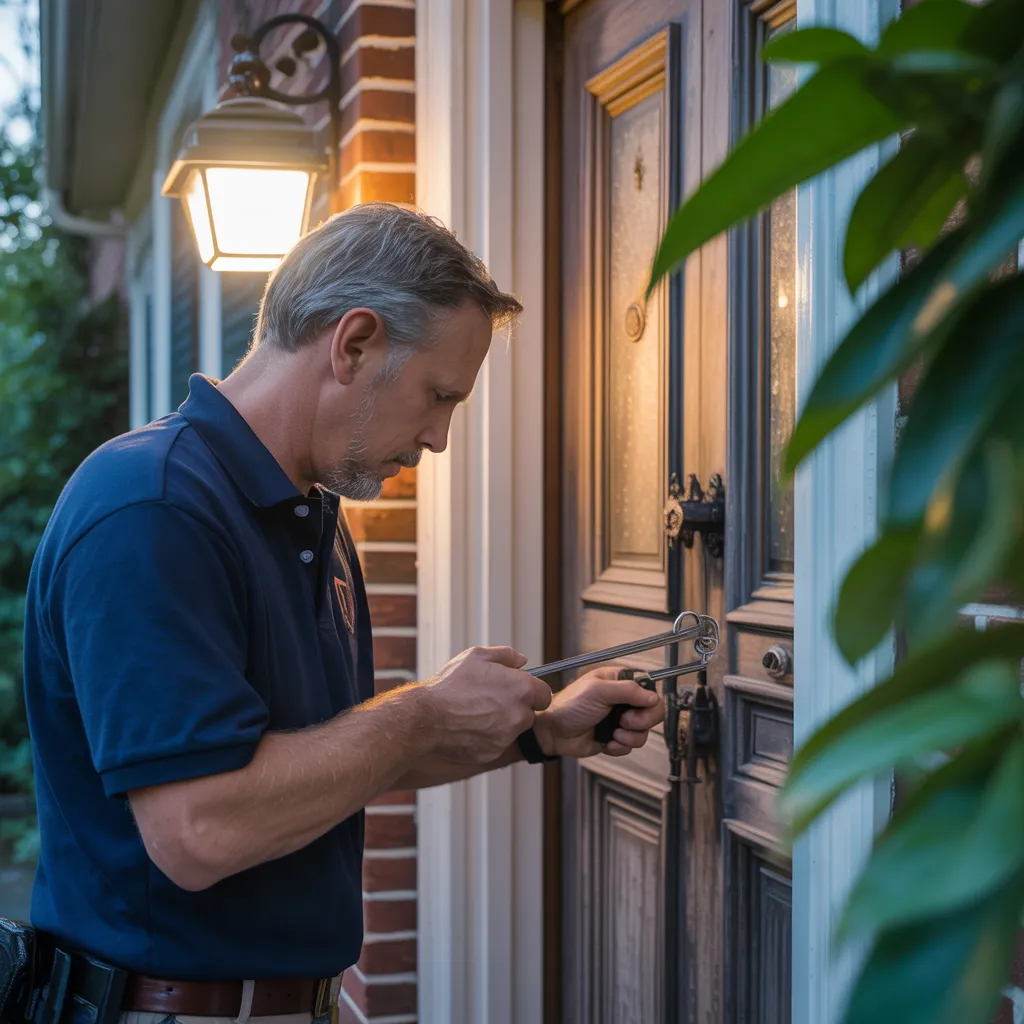
When is it appropriate to reach out to a locksmith? A person may find it necessary to contact a locksmith when they encounter issues with their locks or security systems. Symptoms including a broken key lodged in the lock or a lock that is increasingly challenging to turn serve as clear warning signs of trouble. Additionally, if someone experiences repeated instances of being locked out, it may signal a need for professional assistance.
In addition, upon moving into a new residence, it is prudent to consult a locksmith to swap out the locks for protection. Safety improvements, such as installing high-tech locks or alarm systems, also call for specialist assistance. Finally, if a homeowner notices signs of forced entry or tampering, swift measures should be implemented by hiring a locksmith to examine and upgrade protective systems. Acknowledging these warning signs allows individuals to copyright their safety and sense of security.
Why Contacting a Locksmith When Locked Out Matters?
Being caught in a lockout situation can be both frustrating and overwhelming. In such moments, the importance of calling a professional locksmith cannot be overstated. An experienced locksmith has the specialized tools and skills necessary to handle lockouts effectively and safely, minimizing the risk of damage to the property. Trying to regain access without the assistance of a professional can result in damaged locks or doors, leading to expensive repairs.
Furthermore, locksmiths are qualified to handle various types of locks and security systems, ensuring a fast resolution tailored to the specific situation. Their familiarity of security protocols also enhances the safety of the property after re-entry. Furthermore, professional locksmiths can provide valuable advice on upgrading security measures, minimizing the chance of future lockouts. When all is said and done, relying on a locksmith is not just about regaining entry; it is an vital step in maintaining both the integrity of the property and the confidence of the individual shut out.
What Should You Do When You're Locked Out?
Getting locked out can be an unsettling situation that demands swift response. Your initial priority should be to remain calm and assess the situation. Looking for any unlocked windows or secondary access points can sometimes provide an immediate solution. Should no alternatives present themselves, it is advisable to contact a trusted friend or family member who may hold onto an extra copy of your key.
Should these measures prove unsuccessful, seeking professional assistance becomes essential. Reaching out to a locksmith is typically the most reliable method for restoring access swiftly and securely. It is important that individuals do not attempt to break in, as this can create significant damage that may require costly fixes.
In advance of the locksmith getting there, collecting the required details, like a valid ID and proof of residency, can help streamline the visit. At the end of the day, getting locked out acts as a reminder of how crucial it is to have a contingency plan for accessing secure spaces.
Why It's Smart to Upgrade Your Locks
Following a lockout incident, numerous people become aware of the critical nature of security in their homes. Upgrading locks becomes a proactive measure to enhance safety. Aging lock systems often fail to offer sufficient defense against modern burglary techniques, highlighting the need to choose stronger security solutions.
High-security locks, as an example, provide sophisticated features designed to prevent unauthorized entry. Such locks frequently feature pick-resistant components and sturdy materials, guaranteeing a stronger level of protection. Additionally, intelligent locks offer ease of use and remote control capabilities, enabling homeowners to oversee their security from any location.
In addition, insurance providers may provide more favorable rates for homes featuring upgraded security systems, presenting financial incentives for homeowners to upgrade their lock systems. At the end of the day, upgrading locks not only bolsters physical security but also encourages peace of mind, guaranteeing that residents stay safe in their own environment. This strategic investment is a critical step toward comprehensive home security.
What to Anticipate From a Complete Security Assessment
When property owners request a comprehensive security evaluation, they can expect a complete assessment of their home's weaknesses and strong points. Skilled locksmith technicians begin by evaluating entry locations such as doors, windows, and garages to identify potential weaknesses. They examine the integrity and functionality of existing locks, noting any outdated or damaged mechanisms that may weaken the property's defenses.
Additionally, the assessment encompasses assessing the nearby environment, accounting for elements such as area crime statistics and visual exposure. Locksmiths commonly advise enhancements such as high-security locks or warning systems suited to the unique requirements of the property. They can also offer expertise on access management systems, CCTV systems, and outside lighting recommendations.
The purpose of the inspection is to develop a comprehensive report summarizing discoveries and recommending effective solutions, thereby assisting homeowners form educated choices about their protective strategies. This forward-thinking method guarantees a thorough framework for safeguarding the property against potential threats.
Frequent DIY Blunders to Avoid When Working With Locks
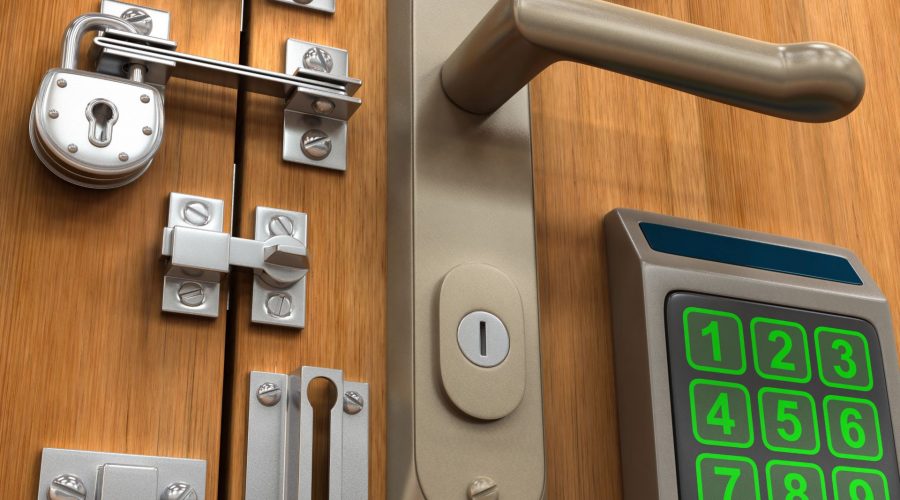
When addressing lock issues, many individuals make frequent errors that can complicate the issue. Overlooking particular lock types, overusing lubricants, and improperly using tools can lead to additional problems. Understanding these errors is vital for proper lock upkeep and security.
Disregarding Lock Types
While many homeowners may attempt to tackle lock issues on their own, neglecting to recognize the specific types of locks can lead to costly mistakes. Various locks, including deadbolts, smart locks, and mortise locks, all feature distinct mechanisms and installation specifications. Insufficient knowledge can lead to incorrect repairs or replacements, which may put security at risk. For instance, attempting to force a key into a misaligned lock can damage both the lock and the key, necessitating expensive replacements. Moreover, mistaking one lock type for another may produce ineffective outcomes and create further complications. To avoid these pitfalls, homeowners should assess their locks carefully and consider consulting a professional locksmith when uncertain about their specific needs.
The Problem of Overusing Lubricants
Many homeowners make the error of applying too much lubricant to their locks, thinking that more is better for smooth operation. This frequent error can cause an excess of lubricant to build up, which collects dirt and grime, eventually causing locks to stick or jam. Each type of lock demands a specific kind of lubricant; to illustrate, graphite tends to be the preferred option for pin tumbler locks, while other locks are better served by silicone sprays. Applying too much lubricant can generate a slick surface that interferes with the lock's mechanism, making it harder to engage. Far from boosting functionality, over-lubrication can necessitate costly repairs or professional locksmith intervention. Understanding the right amount and type of lubricant is essential for maintaining peak lock performance.
Misusing Tools Properly
Misusing tools during lock repairs can result in frustrating results and possible damage. Many DIY enthusiasts underestimate the importance of using the right tool for the job. To illustrate, substituting a screwdriver for a dedicated lock pick can result in stripped screws or broken internal mechanisms. Furthermore, applying too much force can cause locks to jam or suffer permanent damage. Common mistakes include using pliers to turn a key or attempting to force a stuck lock open without proper technique. Such actions frequently lead to additional problems that require expert assistance. To prevent these errors, people should educate themselves about lock mechanisms and the proper tools required for lock repairs. If uncertain, seeking advice from a qualified locksmith can save time and avoid expensive errors.
Commonly Asked Questions
What Should I Look for When Choosing a Reputable Locksmith Service?
To identify a reputable locksmith provider, you should check online reviews, verify credentials, ensure proper insurance, and seek recommendations. Reviewing multiple choices enables knowledgeable decisions, culminating in consistent and reliable service.
What Certifications Should a Professional Locksmith Have?
A reputable locksmith needs to carry credentials including Certified Locksmith (CL), the Registered Locksmith (RL) designation, and the Master Locksmith (ML) certification from accredited institutions. These certifications reflect competence, integrity, and alignment with industry requirements, providing assurance of quality service to clients.
Are Locksmith Services Offered 24 Hours a Day?
Locksmith services are often available 24/7, delivering critical support in emergency situations including lockouts and security vulnerabilities. Many professionals prioritize accessibility, guaranteeing that customers can get assistance at any time, no matter the hour.
What Is the Typical Cost of Locksmith Services?
Locksmith pricing generally falls from between $50 and $150 for standard tasks, such as lockouts or rekeying. Nevertheless, urgent calls and complex jobs may come with additional costs, often going beyond $200 depending on the complexity involved.
Can a Locksmith Provide Help With Electronic Security Systems?
Indeed, a locksmith can help with electronic security systems. They possess the technical know-how to install, fix, and maintain diverse electronic locking mechanisms, providing optimal performance and security for locksmith Aurora residential as well as commercial properties.